Table of Contents
The AI-Powered Campaign Research Framework: How to Turn Big Ideas Into Strategic Direction Using 5 Research Steps (With Actual AI Prompts)
Stop winging it. Start with data. Here's exactly how to research any campaign in hours, not weeks.
You know that feeling when you've got a really great campaign idea, but you have no clue where to start?
Your brain is buzzing with creative possibilities, but there's this massive gap between inspiration and execution. You're staring at a blank strategy doc, wondering: Do I research competitors first? Figure out my audience? Start with creative concepts? The paralysis kicks in, and suddenly your brilliant idea feels... overwhelming.
Here's what most marketers do wrong: They either skip research entirely (and build campaigns on assumptions) or get so buried in analysis that they never actually launch anything.
But I've been watching something interesting happen. Smart campaign creators are using AI to compress weeks of strategic research into a single afternoon. And they're getting better results than traditional research methods.
The secret isn't just using AI, it's knowing which prompts to use and in what sequence.
The Express Stage Research Stack That Changes Everything
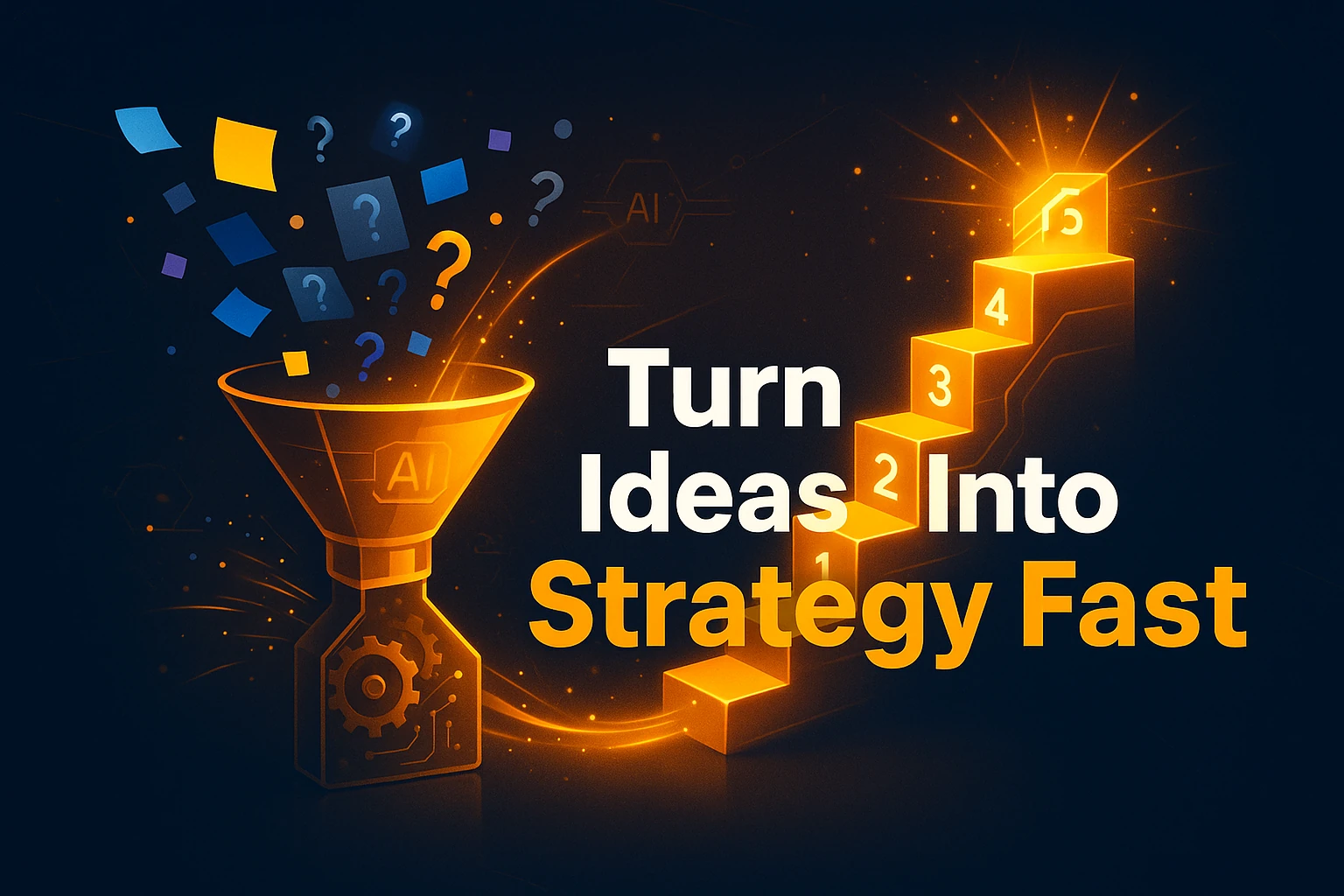
Let me introduce you to what I call the Express Stage Research Stack. It's a five-step sequential process where each layer builds on the previous one, like constructing a building from the foundation up.
Think of it this way: Traditional campaign research is like trying to assemble IKEA furniture without the instruction manual. You've got all the pieces, but no clear order of operations. The Express Stage Research Stack is your step-by-step guide.
The beauty of this framework? It takes the guesswork out of where to start and what comes next.
Here's how it works in practice. I know a team at Threaded North who used this exact sequence for their "Trailmates Forzy" campaign, matching onesies for humans and dogs. (Yes, you read that right. Stay with me.)
What started as "a total joke" idea turned into 50,000+ organic views and 422 pre-orders in one week. But here's the kicker: The research phase took them less than six hours total.
The first step? Understanding the competitive voice landscape wasn't just about features, it was about tone and positioning. When they analyzed outdoor pet brands, every single competitor was using the same "rugged, adventurous, performance-driven" serious tone. That gap practically screamed "opportunity."
Next came customer profiling, but not the demographic stuff everyone focuses on. They dug into psychographics using AI to analyze their existing customer data. What they discovered was "the playful pet parent" who "buys for the story, not just the function."
The third layer involved language decoding, running their customer reviews, DMs, and testimonials through AI to extract the actual words people use. And here's what blew their minds: Their customers weren't using salesy or technical language. They were talking about "moments", coffee by the fire, slow mornings, matching hoodies on the deck.
From there, they built their brand story architecture around "the space between adventure and comfort," positioning for seasonal transitions. Finally, they asked AI to create a visual style guide that matched everything they'd learned.
Each step fed into the next. Competitive gaps informed customer targeting. Customer insights shaped language. Language drove story. Story determined visuals.
The Practical Playbook (With Real AI Prompts)
So, if I were to give you one piece of advice, it would be to start with competitive voice analysis. Not features, not pricing, voice.
Use HubSpot's competitive voice analysis prompt (you can find it in their AI library) and run it through ChatGPT with your competitor names and brand info. Analyze their social feeds, websites, and reviews for tone patterns. The Threaded North team discovered that systematic competitive research reveals positioning gaps that aren't obvious until you map the entire landscape.
The second practical step? Stop trying to create personas from thin air. Use an ideal customer profiler prompt with your existing customer data, success stories, and characteristics. Focus on the adventure and lifestyle elements that actually drive purchases. This moves you way beyond demographics into the psychographics that matter.
For language decoding, run a customer language decoder prompt on your reviews, DMs, and testimonials. Look for emotional language patterns, not feature descriptions. The goal is discovering the actual words your customers use when they're not talking to you directly.
Then comes story building. Use a brand story architect prompt to create your campaign narrative around customer moments and transitions. This provides the emotional thread that connects all your campaign elements.
Finally, ask AI to create a visual style guide that matches your research insights. Input your existing brand assets so you're complementing rather than replacing your identity.
Here's the thing most people miss: Each research layer makes the next creative decisions easier. As one marketing strategist told me, "Once you know who you're talking to, everything else, your tone, visuals, and copy, become way easier to create."
But here's the common pitfall I see over and over: Teams skip research due to time pressure, then build entire campaigns on assumptions rather than insights. And that's where the wheels come off.
The Real Stakes of Getting This Right
The research phase determines everything that follows. Get it wrong, and you're rebuilding entire campaigns. Get it right, and you're looking at content that resonates because it speaks your audience's actual language.
Think about this for a second: Most campaigns fail not because of poor execution, but because they're built on the wrong foundation. The Threaded North example proves that when research reveals authentic insights, like "this campaign needed to be silly because come on, it's matching onesies for humans and their dogs," the creative direction becomes obvious.
The opportunity cost of assumptions versus insights? It's the difference between campaigns that feel forced and campaigns that feel inevitable.
AI democratizes strategic research. The barrier was never expertise or budget, it was having the right prompts and knowing the sequence. Now you have both.
Your next campaign doesn't have to start with guesswork. It can start with data.