Table of Contents
The Game Theory of E-commerce: Why Most Brands Are Playing by the Wrong Rules
While your competitors master the system, you're still randomly clicking buttons
You know that feeling when you're playing a video game and some players just seem to effortlessly dominate while you're struggling with the exact same tools? You assume they must have secret knowledge or cheat codes. Maybe they're just naturally better. But here's what I've learned after years in e-commerce: those players aren't gifted. They just understand the game's underlying system while everyone else is randomly clicking buttons.
The truth is, there are cheat codes and strategies that the top 1% of brands use to stay ahead. That's why they keep winning. They're playing a smarter game than you.
Most e-commerce brands treat their marketing like a frantic treasure hunt. They chase the latest TikTok hack, obsess over new platform features, and constantly switch tactics based on what they saw another brand doing. (Sound familiar?) Meanwhile, the brands that scale effortlessly are using the same systematic approach over and over again.
The E-commerce Game Board Framework
Think about this for a second: every successful e-commerce brand is essentially playing the same four-dimensional chess game. But instead of recognizing it as a strategic system, most founders treat it like a random collection of activities.
What if I told you there are only four components that matter? Everything else is just noise.
The first dimension is where you can actually reach people - your platforms. Facebook, Instagram, TikTok, TikTok Shop. These are your distribution channels, the literal spaces where you can show up and be heard. But here's the kicker: choosing a platform without understanding the other three dimensions is like trying to win chess by only thinking about the board itself.
Then comes the question that stumps most brands: how do you actually communicate? This is your format - founder stories, behind-the-scenes content, product reviews, lifestyle shots, direct offers, user-generated content. Each format hits different psychological triggers. Most brands create content randomly instead of strategically selecting formats that align with their overall game plan.
The third piece of the puzzle involves identifying exactly who you're talking to. Not some vague demographic, but specific groups with shared mindsets - athletes who prioritize performance, streetwear enthusiasts who value authenticity, interior designers who obsess over aesthetics. Your audience isn't just "women 25-35." That's amateur hour thinking.
Finally, there's your core message - your value proposition, brand narrative, and key differentiator. This is what actually moves people from browsing to buying. As one expert put it: "Messaging is the bridge between your customers mind and the products you sell."
Here's where it gets interesting: every piece of content or ad you create combines one element from each dimension. Each unique combination unlocks a different buying trigger within your customer's mind. The brands that win understand this. They're not creating random content - they're making strategic combinations.
The Proof Is in the Performance
I know a brand strategist who walked me through two companies recently. Misfits Market has crystal-clear messaging and a simple funnel that guides you straight to conversion. Click, understand, buy. Done. Meanwhile, she showed me a jewelry brand that requires multiple clicks, offers confusing value propositions, and leaves customers wondering what they're actually buying.
Guess which one is scaling?
Look at brands like Alani, Rogue, AG1, and Comfort. They don't win because they have better products or bigger budgets. They win through superior communication strategy. They've mastered the art of strategic combinations.
Take Carp deodorant's messaging structure - they consolidated multiple pain points into a single solution with messaging that speaks directly to their ideal customer's internal dialogue. They didn't just list product features. They became the best communicator in their space.
So, if I were to give you one piece of advice, it would be to start with your ideal customer profile before anything else. This is the only thing that matters until you complete this step. Ask yourself: What would they say about their problem? What are they actually like as people? What message resonates with them? What are their real pain points?
The biggest mistake I see brands make is starting with the platform first. They see another brand crushing it on Facebook ads, so they jump straight into Meta. But their ideal customer spends all their time on TikTok. That's a massive trap.
Pick one platform where your people actually hang out. Dominate it for six months. The algorithm will identify your best-performing format and push it to your audience. Then - and only then - consider expanding.
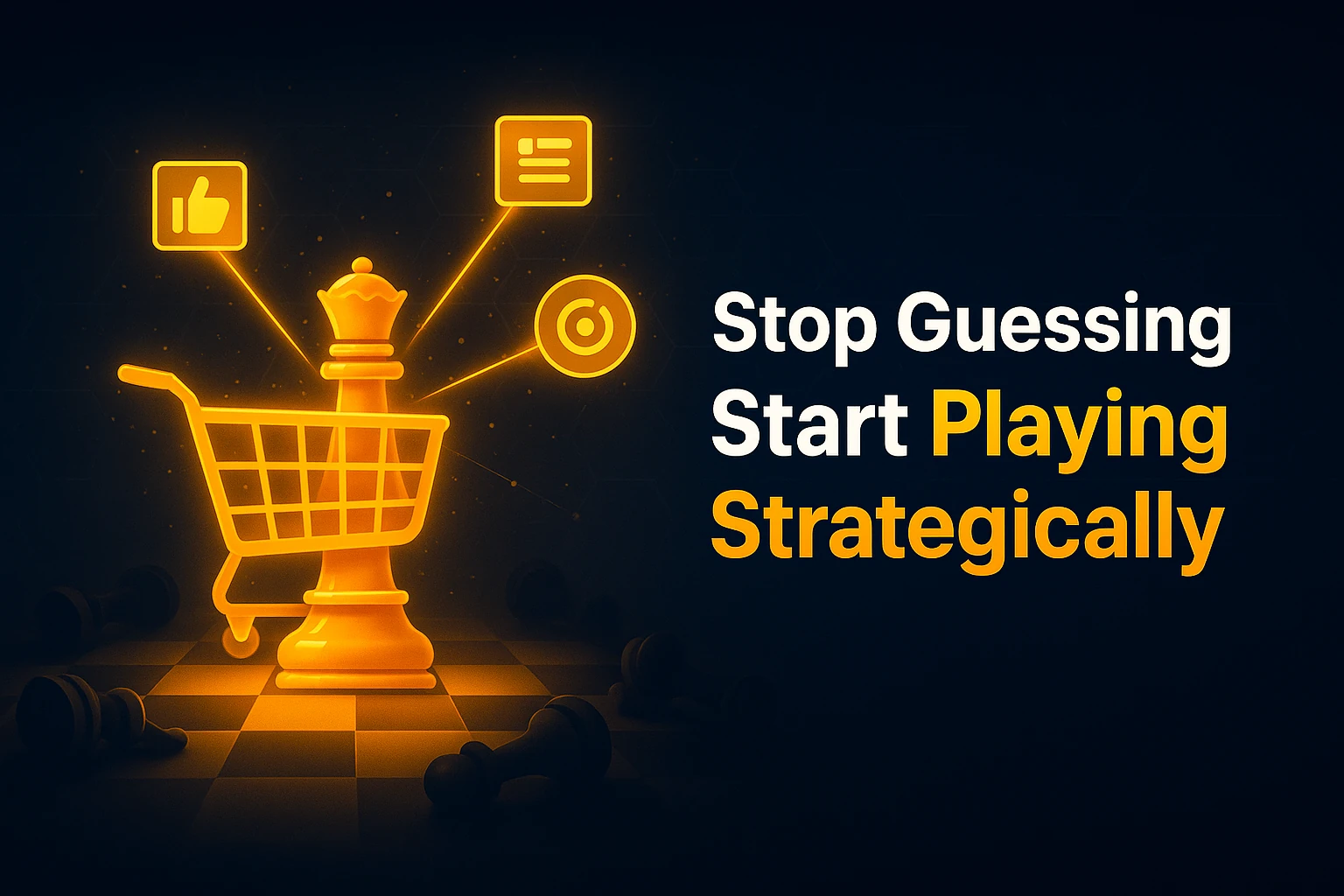
Stop Playing Randomly, Start Playing Strategically
The game hasn't changed. The cheat codes have been there all along. Most brands are just too busy collecting more game pieces to notice that they're missing the fundamental rules.
Your marketing shouldn't feel like throwing spaghetti at the wall. Every piece of content should be a deliberate strategic combination of platform, format, audience, and message. Each combination unlocks different buying triggers. Each one serves a purpose in your overall game plan.
Pick your winning combination and commit to it for six months. Stop playing randomly and start playing strategically. The top 1% aren't smarter than you - they just understand the game you're already playing.