Table of Contents
Why Most Content Marketing Fails: The 4 Hook Mistakes That Kill Engagement Before It Starts
It's not about creativity. It's about clarity.
You spent six hours last Tuesday creating what you thought was your best content yet. You had the perfect angle, solid research, even decent production value. Posted it with confidence.
127 views.
Meanwhile, your competitor's video on practically the same topic hit 50,000 views that same week. And honestly? Their content wasn't even that good. You've been there, right? We all have.
Here's what I've learned after digging into this pattern: The difference wasn't talent, budget, or even luck. It was four systematic mistakes that kill engagement before viewers even understand what your content is about. And the frustrating part? They're completely fixable once you know what to look for.
The 4 Hook Killers Framework
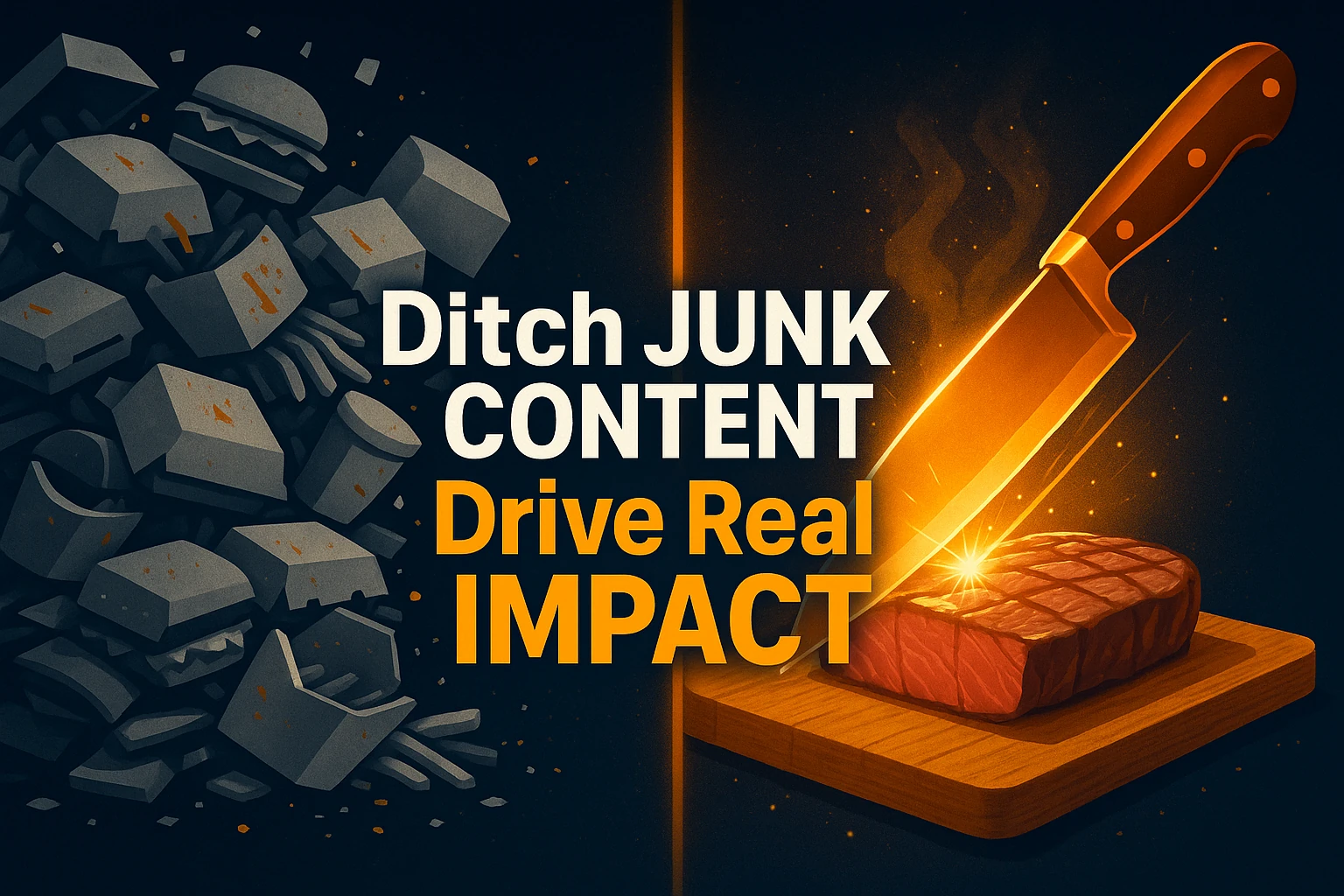
Think of your content hook like a restaurant menu. If the customer can't quickly understand what they're ordering, they'll just go somewhere else. No matter how good your food actually is.
That's exactly what happens with content. People don't churn because they don't like you – they churn because the story you start telling stops making sense, and they can't follow it.
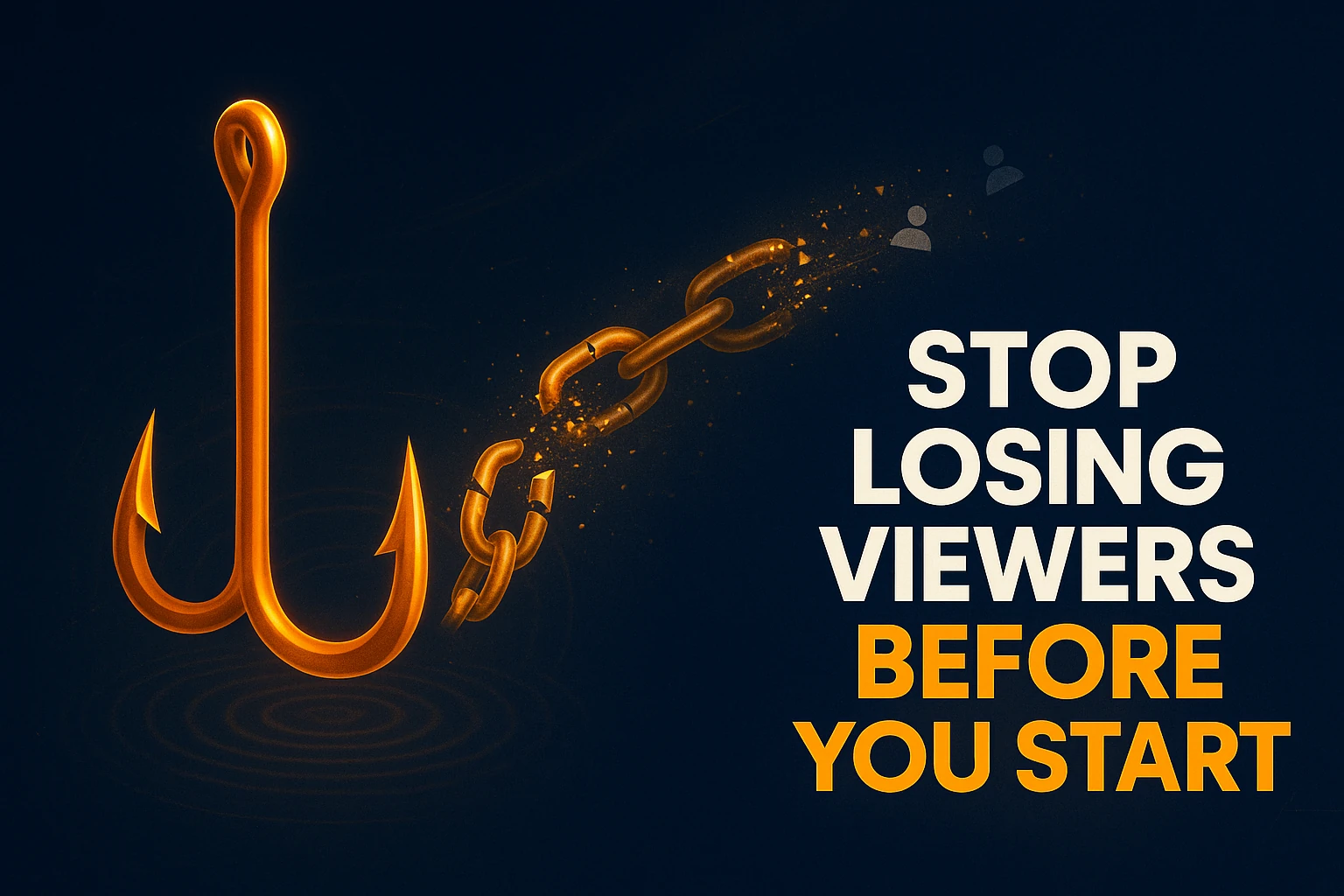
I've been studying this pattern across hundreds of successful and failed content pieces, and there are four specific places where hooks break down. Each one acts like a filter, eliminating potential viewers before your actual content even gets a chance.
The first killer is what I call subject-question confusion. This happens when your hook plants multiple questions in viewers' minds instead of one clear, compelling question. Take the hook "Three ways I grew last year." Sounds reasonable, right? But think about it for a second – grew how? Business growth? YouTube subscribers? Physical fitness? Personal development? Your audience fragments immediately because half are expecting one thing and half are expecting something completely different.
The question that should pop into someone's head when they see your hook should be shock-inducing. Something like "How is this possible?" or "Is this real?" Single subject, single question. That's it.
But even if you nail that first part, the second hook killer will get you: three-hook misalignment. Every piece of content has three hooks working simultaneously – what you're saying, what you're showing, and what your text overlay says. When these don't mean exactly the same thing, you create cognitive dissonance.
I saw one creator talk about "teeth brushing methods" while eating candy on screen with text that said "gum health secrets." Confusing, right? Same creator, different video where everything aligned perfectly: 2 million views versus maybe 50,000 for the misaligned version. This small thing is the difference between good performance and viral performance.
Now here's where most people assume the problem is creativity or charisma. Actually, the third killer is visual mediocrity. Your visuals simply don't contrast enough against category norms to stop the scroll. You need scroll-stopping visuals that pop off the page. Use negative space as your canvas. Try closing black frames or white outlines for differentiation. Build a collection of videos that made you personally stop scrolling, even outside your niche.
But the fourth killer? This one's going to challenge everything you think you know about content creation. Data-free creation – meaning you're creating hooks from scratch instead of studying what already works.
Here's the thing nobody talks about: all the big creators are copying everybody else, and all the small creators are copying the big creators. The pros don't reinvent the wheel – they recycle what works. If you're trying to come up with new hooks from scratch every single rep, you are playing the content game on hard mode.
The Reality Check
I know a marketing director who was spending $15,000 a month on content production. Great team, solid equipment, creative concepts. But their hook hit rate was maybe 1-in-20 success. After applying this systematic approach, they improved to about 1-in-5. Same budget, same team, but now they're derisking their content reps instead of gambling on creativity.
That's the shift you need to make. Stop treating content like an art form and start treating it like a business process you can optimize.
So here's your homework: audit your last five pieces of content against these four killers. Ask yourself: Is it possible for someone to misunderstand my subject? Do my visual, spoken, and text hooks mean exactly the same thing? Would my visuals make me stop scrolling? Did I study proven winners before creating this?
Start with your own top performers first, then look at small-to-medium creators in your niche (don't study the biggest ones – their success might be due to personal brand, not execution). Create templates from what's already working and remix them for new topics.
The content landscape is only getting more competitive. People will watch thousands of videos per day by 2026, which means visual and clarity standards are rising fast. The systematic mistakes I've outlined here aren't creative failures – they're operational inefficiencies. And operational inefficiencies can be fixed.
Your next piece of content doesn't need to be more creative. It just needs to be more clear.