Table of Contents
The Goal Completion Trap: Why Businesses Ranking #1 on Google Are Still Failing Their Customers
When winning the SEO game means losing the customer game
Picture this: You're desperately searching for "ski equipment rental Denver" because you're heading to the mountains tomorrow. You click the first result, naturally, they must be the best, right?
Instead of rental packages and pricing, you're immediately slapped with a newsletter popup. After dismissing it, you scroll past their store address (which you literally just saw in Google), their hours (also in Google), and a paragraph about how beautiful Denver's mountains are (thanks, but you already live here). By the time you find actual rental information, you're already annoyed. So you hit the back button and try result #3 instead.
This scenario plays out millions of times every day, and it's costing businesses a fortune. Here's what's crazy: companies are investing thousands in SEO to rank #1, then immediately throwing away those hard-won visitors the moment they land on their website.
I call this the Goal Completion vs. Ranking Paradox, and if you ask me, it's the most expensive blind spot in digital marketing today.
The Three-Layer Disconnect That's Killing Your Conversions
Think of successful online business like a three-story building. Most companies are obsessed with the foundation while their upper floors are crumbling.
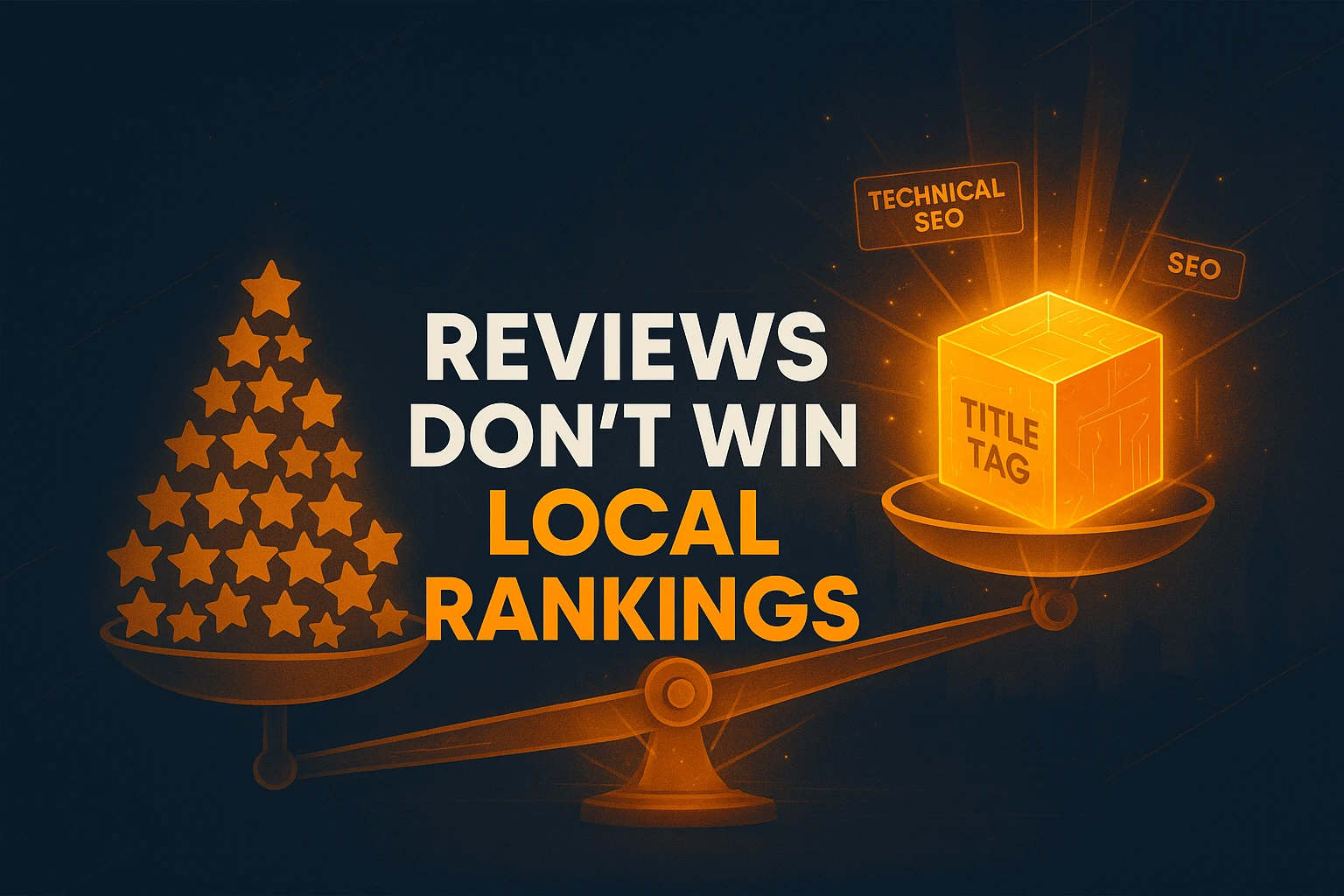
The foundation, SEO optimization, is what Google's algorithm sees. It's your title tags, your keywords, your backlinks. It gets you found. And honestly? Most businesses have gotten pretty good at this part. They've cracked the code on technical SEO.
But here's where it gets interesting. What happens when someone clicks to your site is goal completion, the bridge between being found and making money. This is about delivering exactly what the searcher wants within that critical 15-second decision window. Most people aren't going to spend more than 15 or 20 seconds on your business website before they decide whether they're going to convert or not.
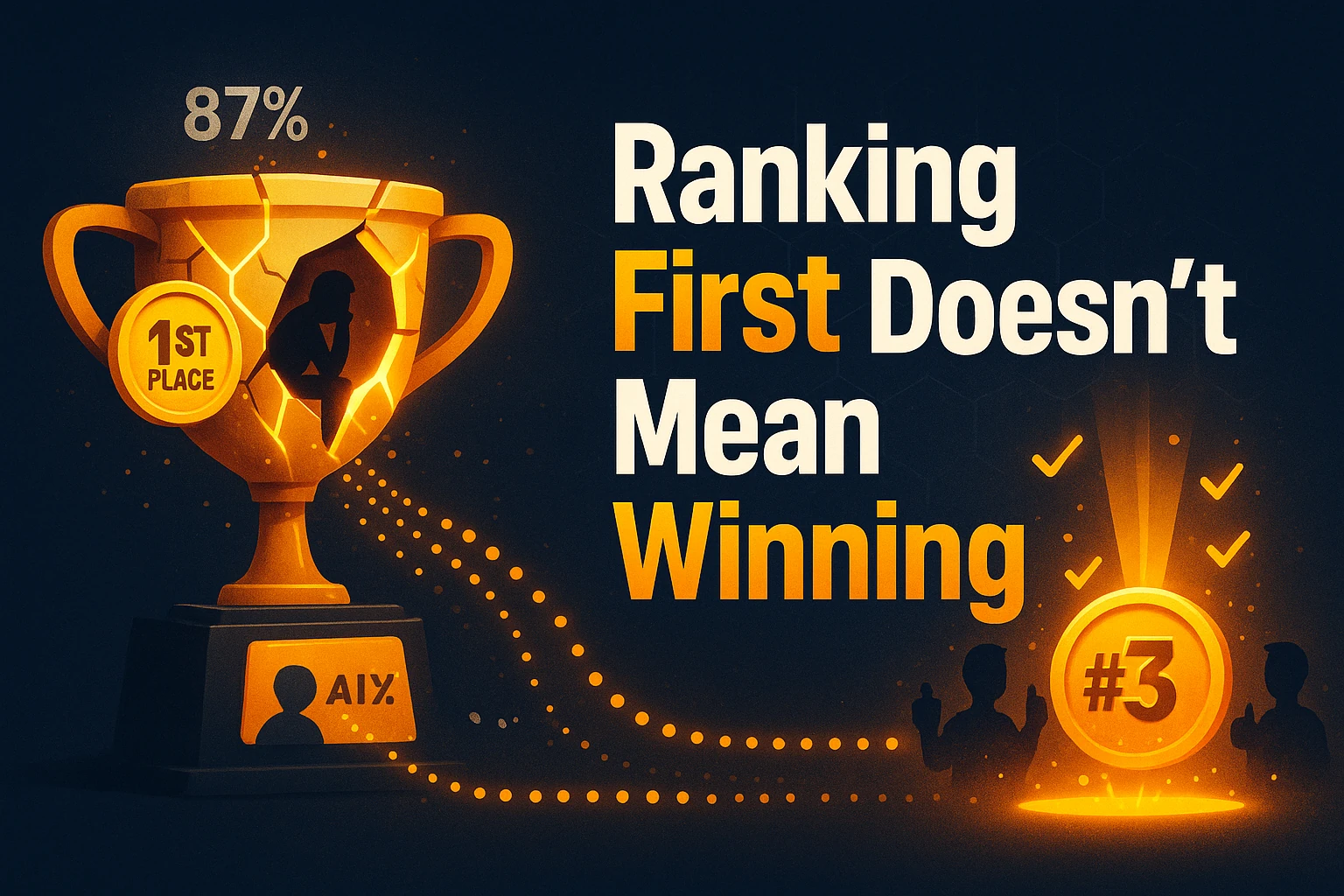
And that's where Christie Sports went wrong. I watched an SEO expert analyze them recently, and it was fascinating in the worst possible way. They rank #1 for "ski equipment rental Denver", perfect SEO optimization. But their above-the-fold real estate? Completely wasted on information users already have from their Google Business Profile, newsletter signups, and generic content about Denver instead of what people actually searched for: rental packages.
The third layer, business results, only happens when the first two align. And this is where Eskimo Ski Shop, despite ranking lower, actually won the customer. Their website immediately delivered clear rental information, pricing, and their family-owned story. Worse SEO metrics, better goal completion, actual customer choice.
The Real-World Cost of This Disconnect
I know a seven-figure SEO agency owner named Caleb Welku who put it perfectly: "Google wants to see that when someone lands on your website, they don't go back to Google search. They land on your website, your website fixes their issues and then they move on happily with their life. If they land on your website and then go back to Google search, that's a really bad sign."
That "bounce-back to search" behavior is becoming a major Google ranking factor. So companies that nail traditional SEO but fail at goal completion are about to see their rankings tank anyway.
Think about this for a second: you could be paying for traffic through ads, working your tail off to rank organically, and then losing customers to competitors who rank lower but understand what people actually want when they land on a website.
The opportunity cost is staggering. Every visitor who bounces back to Google represents not just a lost sale, but potential damage to your future rankings. It's like spending thousands on a billboard that makes people immediately look away.
The 15-Second Test That Will Save Your Business
So what's the fix? Start with what I call the 15-Second Test.
Have complete strangers land on your homepage and ask them "What would you do next?" after exactly 15 seconds. If they can't immediately identify your value proposition and their next step, you're optimizing for Google's algorithm instead of human psychology.
Next, audit your above-the-fold real estate like your business depends on it (because it does). Map what users see in those first 20 seconds against what they actually searched for. Most valuable website space gets wasted on low-priority information that users already have from your Google Business Profile.
And here's something most people miss: implement goal completion tracking that measures bounce rate to Google search specifically, not just overall bounce rate. High bounce-back rate indicates you're ranking without actually completing the user's goal.
The smartest approach I've seen is something called the "Core 30 method", structuring your website to match your Google Business Profile structure. It satisfies both the algorithm and user expectations simultaneously.
Stop Optimizing for Robots, Start Serving Humans
Here's my bottom line: ranking #1 means nothing if you can't keep the customers you paid to attract.
The businesses winning long-term aren't just gaming Google's algorithm, they're obsessing over goal completion in that crucial 15-second decision window. Because at the end of the day, Google's job is to send people to websites that solve their problems, not websites that just happen to have good SEO.
The question isn't whether you can rank #1. The question is: once you do, can you keep them?